
-
Solar PV Fire Protection Using Linear Heat Detection Cable
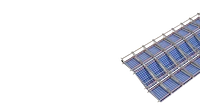
As the adoption of solar photovoltaic (PV) systems continues to grow across commercial, industrial and utility-scale projects, reliable fire detection solutions for solar panels have become essential. Fire Design Engineers and Fire Specification Consultants need systems that detect overheating quickly, withstand harsh environments and integrate easily into wider fire safety strategies.
Linear Heat Detection Cable (LHD) offers a robust, simple and effective solution for protecting solar energy assets against fire risk.
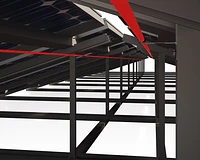
Understanding Fire Risks Within Solar PV Applications
Although solar panels are designed for long-term performance, they are exposed to conditions that increase fire risk, many beginning as localised overheating, making thermal detection effective. Common causes include:
- Electrical faults and arc failures
- Overheating connectors and junction boxes
- Damaged or degraded cabling
- Inverter failures
- Poor installation practices
- Debris accumulation
Difficult access at rooftop, carport and remote installations means fires can spread before becoming visible, risking damage, disruption and safety, so early detection is critical to minimise downtime and protect infrastructure.
Fire Detection Challenges for Engineers and Consultants
Designing fire protection for solar panel installations presents unique challenges.
Fire Design Engineers and Specification Consultants must balance performance, compliance, installation simplicity and long-term maintenance.
Key considerations include:
- Detecting heat at the source before a fire escalates
- Protecting large or difficult-to-access areas
- Reducing false alarms
- Designing systems that withstand harsh outdoor environments
- Minimising maintenance requirements
- Integrating seamlessly with existing fire alarm infrastructure
Traditional point detectors often cannot provide adequate coverage for extensive solar arrays, and their performance can suffer from exposure to the elements. Other technologies require clear line-of-sight, limiting coverage across large installations.
Engineers need a solution offering continuous thermal monitoring directly alongside high-risk electrical components across the entire site.
Why Use Linear Heat Detection Cable for Solar PV Protection?
Linear Heat Detection Cable is specifically suited to environments where conventional fire detection technologies are difficult to implement.
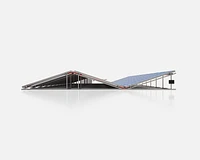
Unlike point detectors, Thermocable Linear Heat Detection Cable continuously monitors temperature across its entire length, activating immediately if abnormal temperatures develop, allowing operators to respond before a fire spreads. This provides accurate, reliable detection across large installations without requiring numerous individual devices.
Mounting positions are independently tested. See the Application Guide and Specification Guide for full recommendations.
UL Approved System for Solar

EN Approved System for Solar

Benefits of Thermocable Linear Heat Detection Cable for Solar Applications
Thermocable Linear Heat Detection Cable offers several advantages for solar photovoltaic fire protection projects.
Compliant
Independently tested and approved to UL, FM and EN 54-28 standards, giving engineers and asset owners confidence at specification and sign-off.
Robust
Engineered for UV, extreme temperatures, moisture and debris, with alarm temperatures to suit every risk profile across rooftop, carport and utility-scale installations.
Cost-Effective
Simple to install alongside existing electrical components, with fewer devices to maintain and lower lifecycle costs.
Certified for Confidence
ProReact LHD systems are certified to meet global standards:
- EN54-22
- EN54-28
- UL & cUL
- VdS
- FM Approved (PVC cables)
These certifications ensure compliance and performance across international markets and demanding applications.


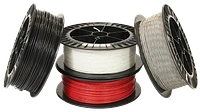
ProReact Fixed Activation
Preset alarm temps. Tough cable. Reliable fire safety.
- UL and FM approved
- CE, RoHS, and UKCA certified
- Multiple coatings to suit different environments
.png)
ProReact Fixed Activation (EN)
Preset alarm temps. Tough cable. Reliable fire safety.
- UL and EN approved
- CE, RoHS, and UKCA certified
- LSZH coating, UV stability, and hydrocarbon resistance
- Optional stainless steel braiding for mechanical protection
.webp)
A Proven Fire Detection Solution for Solar PV Projects
Fire detection should form part of the initial specification process, not an afterthought. Thermocable's Linear Heat Detection Cable offers a practical, dependable way to protect high-risk areas across the full asset lifecycle.